22 May 2026
Transaction Pathways and Their Role in Enabling Live Betting Modifications for Football, Equine Events, and Virtual Table Games on Mobile Platforms
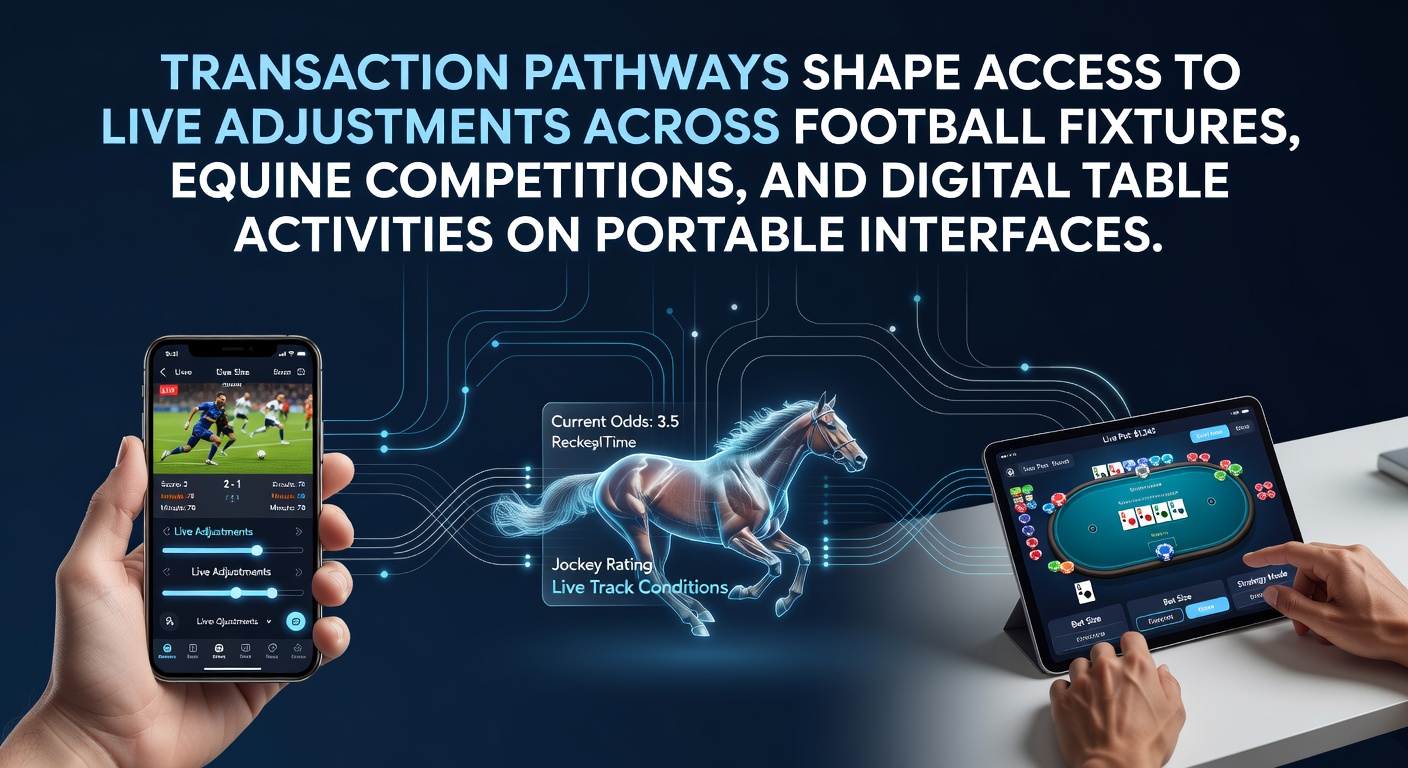
Transaction pathways refer to the payment and withdrawal routes integrated into betting platforms that determine how quickly users can fund accounts and place or modify wagers during ongoing events, and these systems have expanded significantly across mobile applications used for football fixtures, equine competitions, and digital table activities.
Operators route deposits through bank transfers, e-wallets, and card processors to support instant access, which in turn allows bettors to adjust stakes or selections in real time as match conditions evolve or race starts approach, while the same pathways handle cash-outs and balance updates without interrupting play sessions on portable devices.
Core Mechanisms Behind Transaction Pathways in Mobile Betting
Payment processors connect directly to betting apps through APIs that verify funds in seconds, and this integration supports live adjustments because users can deposit additional amounts mid-event to increase exposure on shifting odds in football matches or add to positions in equine races where late scratches alter probabilities, whereas slower traditional banking routes often limit such flexibility until the next break in action.
Data from industry analyses shows that platforms prioritizing instant deposit options record higher volumes of in-play transactions during peak hours, and researchers at academic institutions have documented how seamless pathways reduce friction that previously forced users to exit live views on their phones to complete funding steps elsewhere.
Access Patterns in Football Fixtures
Live football betting relies on rapid odds recalculations after goals or substitutions, and transaction pathways that process e-wallet deposits within ten seconds enable bettors to respond immediately by layering new wagers or hedging existing ones directly from the match interface, while delays in card authorizations can close windows for profitable adjustments before the next phase of play begins.
Studies indicate that mobile users who maintain multiple verified pathways experience fewer interruptions during extended fixtures such as cup ties, and this continuity supports sequential betting sequences where funds move from one market to another without leaving the portable screen.
Equine Competitions and Real-Time Funding Routes
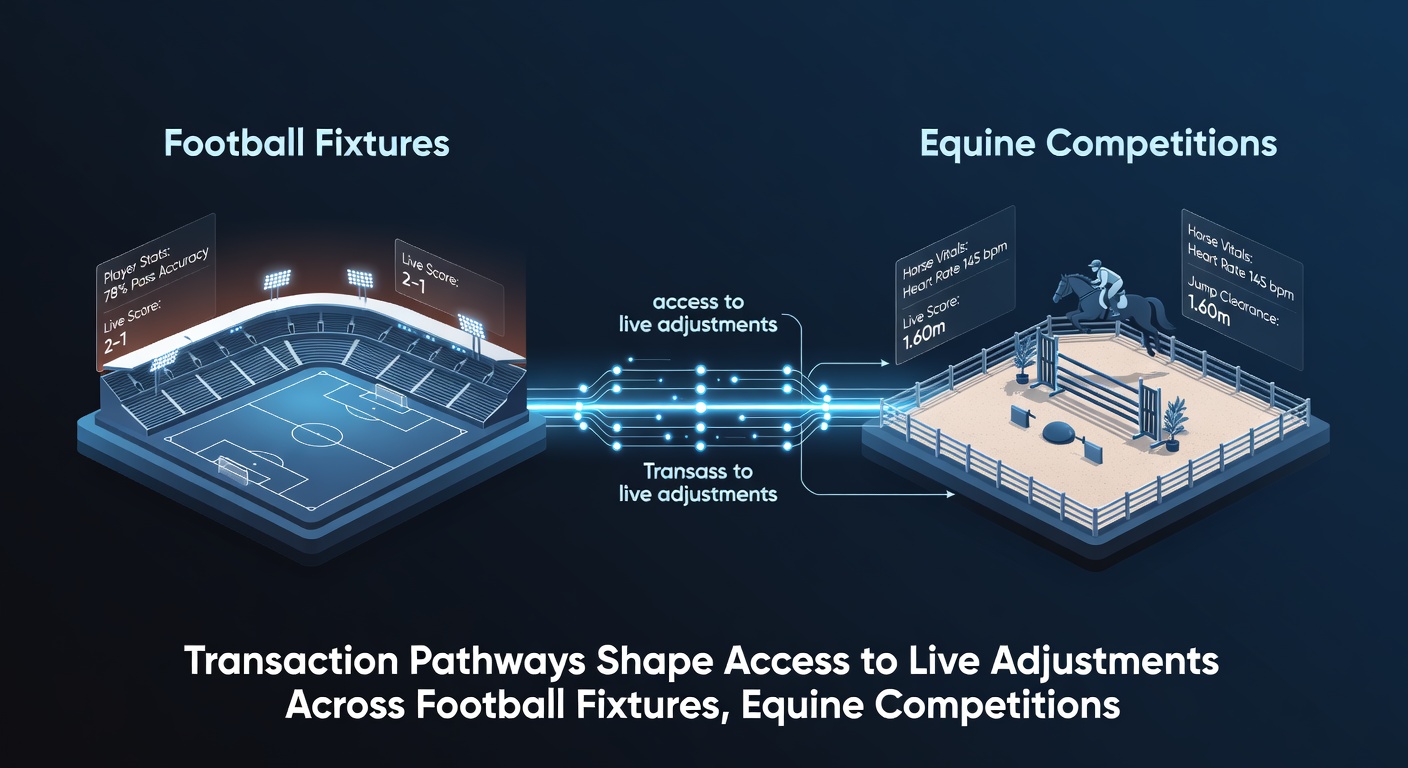
Equine events present narrow timeframes for placing or revising bets once horses enter the parade ring, and transaction pathways that incorporate instant bank links or digital wallets allow adjustments based on updated form information or jockey announcements that appear only minutes before post time, whereas legacy methods tied to slower clearing systems restrict participation to pre-race planning alone.
Observers note that platforms offering these routes report elevated activity during major race meetings, and figures from regional gambling research centers reveal consistent patterns where mobile users leverage quick top-ups to follow multi-leg exotic wagers that require ongoing balance management across several races in a single afternoon.
Digital Table Activities on Portable Interfaces
Digital table games such as roulette and blackjack variants operate on continuous cycles that reward timely stake increases after favorable runs, and transaction pathways integrated into mobile casino sections facilitate these live adjustments by confirming deposits without requiring users to switch applications or reload balances manually, which preserves momentum during extended sessions.
Industry reports compiled by groups like the European Gaming and Betting Association highlight how instant pathways correlate with sustained engagement levels in virtual table environments, and users can therefore shift funds between sports and casino products on the same device when opportunities arise across different event types.
Developments Expected in May 2026 and Their Implications
Regulatory adjustments scheduled to take effect in May 2026 across several jurisdictions will standardize verification timelines for certain payment methods, and these changes aim to balance speed with consumer protections while preserving the capacity for live adjustments that mobile platforms currently provide in football, equine, and table game markets.
Operators have already begun testing updated compliance layers that maintain sub-thirty-second processing for verified accounts, and this preparation suggests continuity in the access patterns that bettors currently rely upon when responding to in-event developments on portable interfaces.
Conclusion
Transaction pathways continue to define the practical boundaries of live betting modifications across football fixtures, equine competitions, and digital table activities by controlling the speed and reliability of fund movements on mobile devices, and ongoing refinements in processing technology alongside upcoming regulatory timelines point toward sustained emphasis on seamless access that supports real-time decision making without platform exits or delays.