30 Jun 2026
Tracing Confirmation Routes Through Stacked Reward Architectures on Digital Platforms

Data from platform analytics shows verification processes often begin with basic identity confirmation steps before progressing into more detailed checks that unlock successive reward layers, and this progression creates measurable sequences where each completed stage feeds directly into the next tier of user gains. Observers note these flows appear across multiple digital environments including sports wagering sites and casino interfaces, where initial document uploads connect with profile validations that then activate bonus structures.
Initial Verification Stages and Their Direct Connections
Platform operators typically require users to submit identification materials such as government-issued documents and address proofs at the outset, after which automated systems cross-reference these inputs against external databases to establish baseline account status. Research indicates this first layer often determines eligibility for entry-level promotions, while incomplete verifications halt progression entirely until resolved, according to operational reports from various operators. Those who've examined these systems find that email and phone validations frequently serve as immediate follow-ups that bridge the gap between basic signup and access to deposit functions, creating a continuous chain rather than isolated checkpoints.
Figures reveal many platforms integrate biometric options like facial recognition in later stages of this initial phase, and such additions reduce processing times while increasing the reliability of the data flowing into reward calculations. A report from the Nevada Gaming Control Board highlights how these sequenced verifications correlate with higher retention rates once users reach the first reward tier, though the mechanisms vary by jurisdiction and platform design.
Layered Gain Structures Emerging from Completed Flows
Once core verification completes, platforms route the confirmed data into algorithms that assign users to progressive gain categories, starting with standard welcome bonuses and advancing toward cashback programs or loyalty multipliers based on activity levels. Studies show each subsequent layer builds on the prior verification depth, meaning deeper identity assurances open access to higher-value sequences such as personalized odds boosts or exclusive event entries. Data indicates these structures operate on cumulative logic where early-stage confirmations enable mid-tier benefits that in turn require additional activity metrics to unlock top rewards.
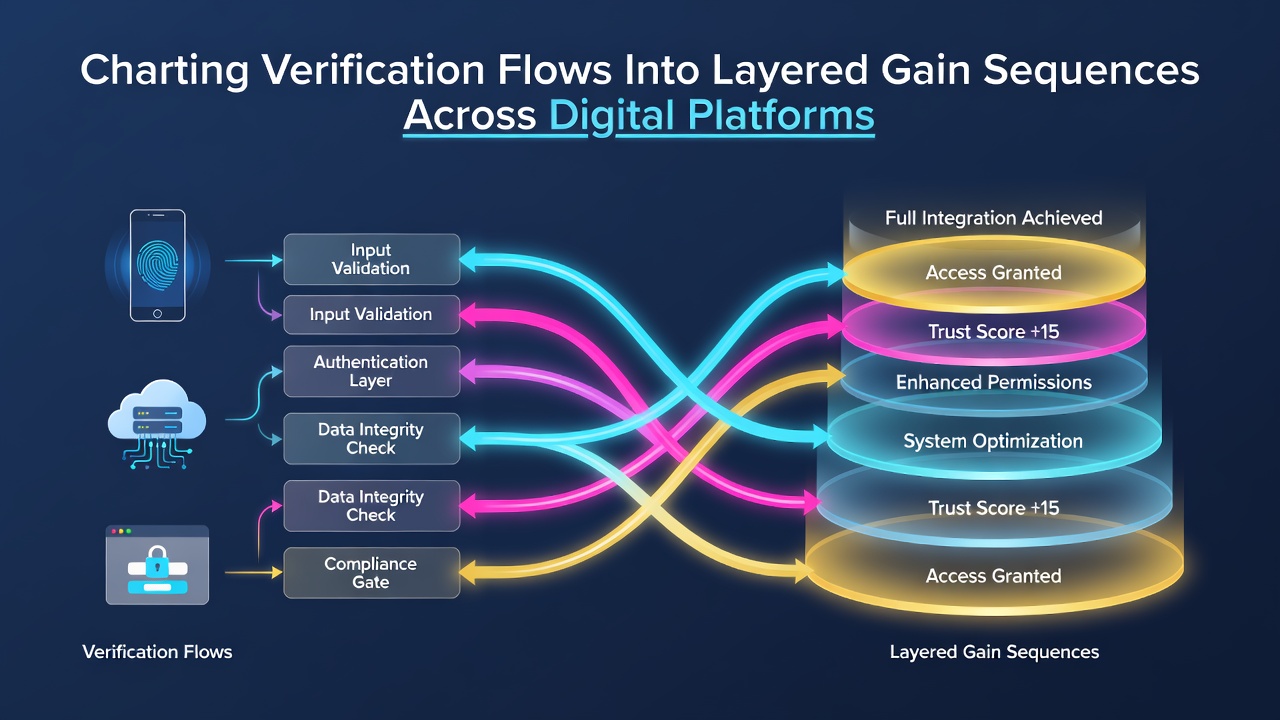
Take one major operator that implemented tiered systems in early 2025, where verification completion directly triggered a sequence beginning with free spins and advancing through deposit matches to VIP invitations, all tracked through integrated user dashboards. Experts have observed similar patterns in other regions, with Canadian platforms demonstrating comparable flows according to industry data compiled by the Canadian Gaming Association. The connections between verification depth and gain access appear consistent even as regulatory timelines shift, including updates scheduled for implementation around June 2026 that may standardize certain cross-platform reporting requirements.
Cross-Platform Variations in Flow Design
Different digital environments handle these transitions with distinct architectures, where some prioritize rapid initial checks to accelerate entry into gain sequences while others embed more granular reviews at each layer to maintain compliance standards. Research from academic sources such as those published through the University of Sydney's gambling research unit shows variations often reflect local licensing conditions, yet the underlying mapping of verification to layered rewards remains a shared operational feature. People who've analyzed multiple platforms note that mobile applications tend to streamline these flows compared to desktop versions, incorporating in-app scanning tools that feed verified data straight into reward engines without additional manual steps.
What's interesting is how these sequences adapt to user behavior patterns, with completed verification stages triggering automated notifications that guide users toward the next gain layer through targeted prompts. Figures from industry tracking services indicate platforms that optimize these transitions see measurable increases in sequence completion rates, particularly when verification tools integrate seamlessly with payment and betting interfaces.
Technical Mapping and Data Pathways
Backend systems chart verification outputs as structured data points that algorithms then convert into eligibility flags for each reward tier, creating traceable pathways that operators monitor for efficiency and compliance. Observers note this technical integration allows real-time adjustments where verification status updates immediately influence available gain sequences, reducing delays between confirmation and reward access. And platforms increasingly employ machine learning models to predict where users might encounter friction in these flows, enabling proactive adjustments that maintain continuity across layers.
Evidence suggests these data pathways also support reporting functions that feed into broader platform analytics, helping operators refine how verification stages connect with subsequent reward activations. External benchmarks from regulatory bodies in multiple regions continue to influence these technical designs, ensuring the flows align with evolving standards without disrupting user progression.
Conclusion
Platform data consistently demonstrates that verification flows serve as foundational inputs for layered gain sequences, with each stage building measurable connections that enhance overall user engagement across digital environments. Operators continue refining these mappings to balance compliance needs with efficient reward delivery, and patterns observed through mid-2026 indicate further integration of automated tools will likely strengthen these sequences. The structural relationships between confirmation steps and progressive benefits remain central to how digital platforms organize user advancement and reward distribution.