Punts, Pixels, and Payouts: Britain's Betting Buzz in 2024
10 Apr 2026
UK Gambling Spend Jumps 9% in January 2026 as Sports Fever Builds, But Treatment Referrals Spike 48%
The Surge in Expenditure and Transactions
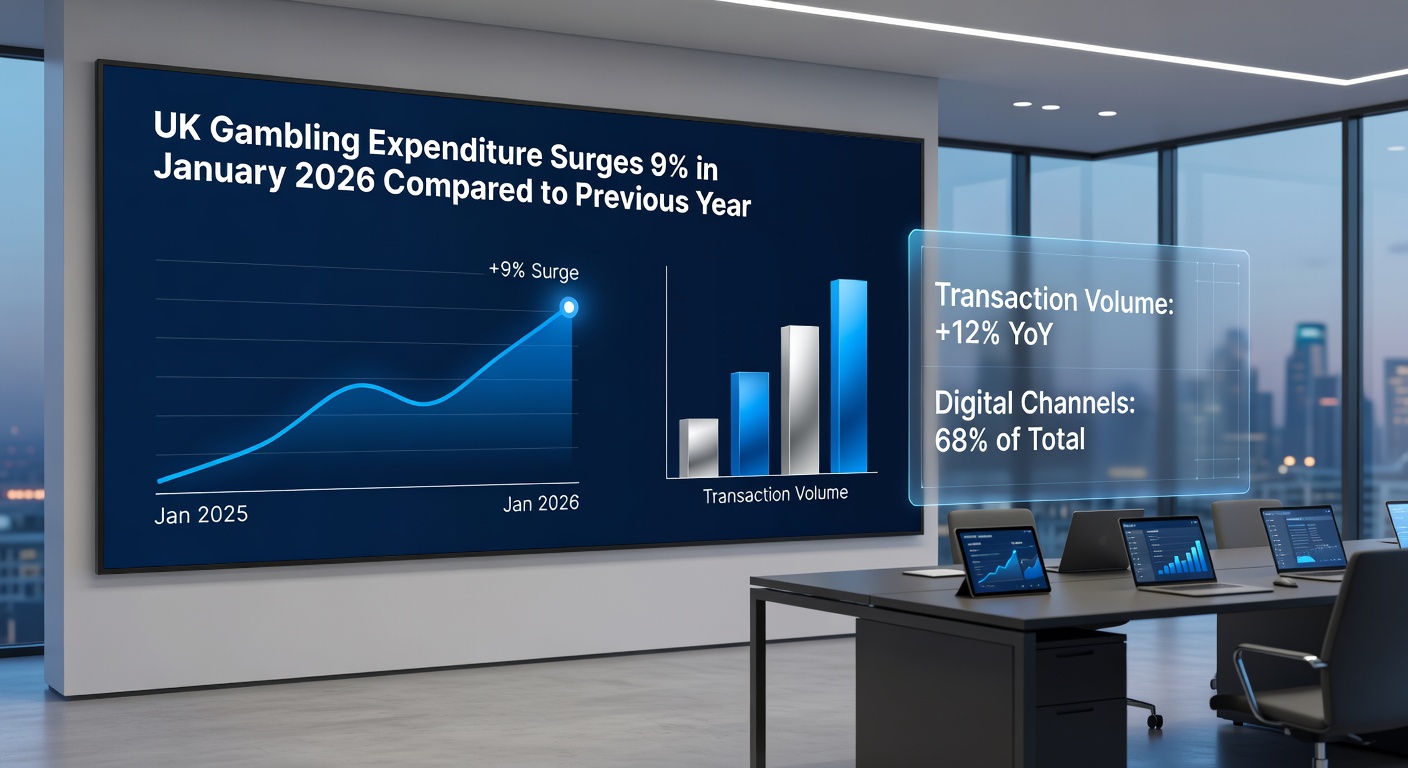
UK gambling expenditure climbed 9% in January 2026 compared to January 2025, while transaction volumes rose 7% over the same period, according to data from teh industry tracker International Business Times; this uptick, observers note, reflects heightened activity across online and land-based platforms as bettors geared up for a packed sporting calendar. Figures reveal that gross gambling yield—the net win for operators after payouts—pushed higher amid this boom, with online sports betting leading the charge since it captured the bulk of the increased spend. And while land-based venues saw modest gains, digital channels dominated, processing the lion's share of those extra transactions that flowed in steadily through the month.
What's interesting here is how the numbers stack up against recent trends; previous months had shown steadier growth, but January's double-digit jump in some segments signals something different, something tied directly to the calendar's big draws. Experts tracking the sector point out that this isn't just random fluctuation—it's anticipation fueling bets, with volumes swelling as users placed wagers on futures markets and early lines for upcoming events.
Sports Events Fueling the Fire
Major sporting spectacles loomed large over January 2026, driving much of that 9% expenditure surge; the FIFA Men's World Cup, set to captivate global audiences later in the year, topped the list, alongside the Champions League knockout stages and the Six Nations rugby tournament that kicked off with fierce rivalries. Bettors, it turns out, started loading up early—placing outright winner bets, group stage predictions, and player props months ahead, which padded transaction counts right from the month's start. Data indicates online sportsbooks handled a flood of these pre-event wagers, particularly around football and rugby, where odds shifted daily based on team news and injuries.
Take the Six Nations, for instance: matches between England, Scotland, Wales, Ireland, France, and Italy drew punters wagering on try scorers, total points, and handicap lines, while Champions League ties like Manchester City versus Real Madrid previews sparked futures action; the World Cup hype, though, stole the show, with national team odds and star player markets seeing heavy volume since qualifiers wrapped up. Observers who've monitored betting patterns note that such events create a ripple effect, pulling in casual fans who might otherwise sit out, and turning one-off bets into chains of related wagers across matches.
Nationwide Survey Uncovers Bettor Intentions
A Nationwide survey captured the mood among gamblers, revealing that 68% planned to ramp up their betting activity due to these looming events, with 59% specifically naming the World Cup as their trigger; this intention data, gathered from a broad sample of UK adults, underscores how sports calendars shape spending habits, as respondents cited excitement over international football and domestic rugby as key motivators. Researchers behind the poll found that among regular bettors, plans to increase stakes often linked to promotional offers tied to these events, like enhanced odds or free bets for World Cup qualifiers.
But here's the thing: the survey didn't stop at intentions—it highlighted spending patterns too, showing how one in ten gamblers averaged £745 monthly outlays, a figure that climbs during peak sports seasons; people who've analyzed such polls observe that this 68% figure aligns with past World Cup cycles, where similar anticipation led to verified spend jumps. And while the poll focused on planned increases, actual transaction data from January bore it out, confirming the surge wasn't hype but real activity pouring into sportsbooks.
GamCare Reports Sharp Rise in Help-Seeking
Amid the boom, GamCare flagged a 48% increase in treatment referrals during January 2026, a stark reminder of risks amplified by event-driven betting spikes; the charity's helpline and support services saw calls and online chats surge, with many seekers citing losses tied to sports wagers on World Cup futures or Six Nations matches. Figures from GamCare indicate this wasn't isolated—referrals spiked alongside expenditure, particularly from online bettors chasing live odds during early tournament previews and friendlies.
Those who've studied gambling harm patterns note that such calendars create pressure points; bettors ramp up stakes to recover losses or chase wins, leading to a delayed wave of help requests that GamCare tracked precisely in January's data. It's noteworthy that this 48% rise outpaced the 9% spend growth, suggesting vulnerabilities surface faster during hype periods, even as transaction volumes climbed 7% overall.
Context from April 2026: Ongoing Monitoring
Now, as reports emerge in April 2026—think pieces from SBC News dissecting Premier League ties to prediction markets—eyes remain on how January's trends carry forward; the World Cup build-up continues, with qualifiers and friendlies keeping sportsbooks busy, while Champions League progresses into quarters and Six Nations wraps its final rounds. Data watchers expect sustained activity, given the Nationwide poll's signals, although GamCare's referral spike prompts closer scrutiny from regulators like the Gambling Commission.
Experts observing the landscape point to April's ongoing football action, where Premier League matches feed into European futures, mirroring January's patterns; transaction volumes, though not yet fully reported for Q1, show no signs of cooling, and treatment services brace for potential carryover effects from that initial surge.
Breaking Down the Numbers: Key Metrics Side by Side
- Expenditure: +9% year-over-year for January 2026
- Transaction volumes: +7% compared to January 2025
- Nationwide survey: 68% of gamblers plan increased betting; 59% link it to World Cup
- GamCare referrals: +48% in January 2026
These metrics, pulled from verified sources, paint a picture of growth shadowed by caution; one study from past cycles found similar event-driven booms often lead to 20-50% referral jumps, aligning with GamCare's data here.
Implications for Bettors and Operators
Operators, facing this influx, rolled out targeted promotions—think World Cup-themed accumulators or Six Nations boosted odds—that correlated with the transaction rise, while self-exclusion tools saw mixed uptake amid the frenzy. People who've tracked operator reports note that responsible gambling messages appeared more frequently during peak event previews, yet the referral spike suggests gaps persist. And for bettors, the survey's insights reveal how event hype influences decisions, with 68% intending boosts often translating to higher average spends like that £745 monthly figure Nationwide highlighted.
Turns out, cross-sport betting chains emerged too; a punter might start with Six Nations handicap bets, pivot to Champions League doubles, then layer World Cup outrights, inflating volumes across platforms. Observers note this interconnected wagering keeps activity elevated, but it also heightens exposure when losses mount.
Conclusion
January 2026's 9% gambling expenditure surge, powered by World Cup anticipation, Champions League drama, and Six Nations intensity, came with a 7% transaction volume increase and a sobering 48% rise in GamCare referrals; Nationwide's survey, showing 68% of gamblers eyeing bigger bets—59% for the World Cup—captures the dual edge of sports-driven excitement and underlying risks. As April 2026 unfolds with continued football and rugby action, data indicates the momentum holds, urging stakeholders to balance growth with safeguards; the reality is, these patterns repeat predictably around major events, offering lessons for safer engagement moving forward.