Premier League Faces Sponsor Void: Nine Clubs Scramble Amid Gambling Ban as £80m Hangs in Balance
7 Apr 2026
Premier League Faces Sponsor Void: Nine Clubs Scramble Amid Gambling Ban as £80m Hangs in Balance
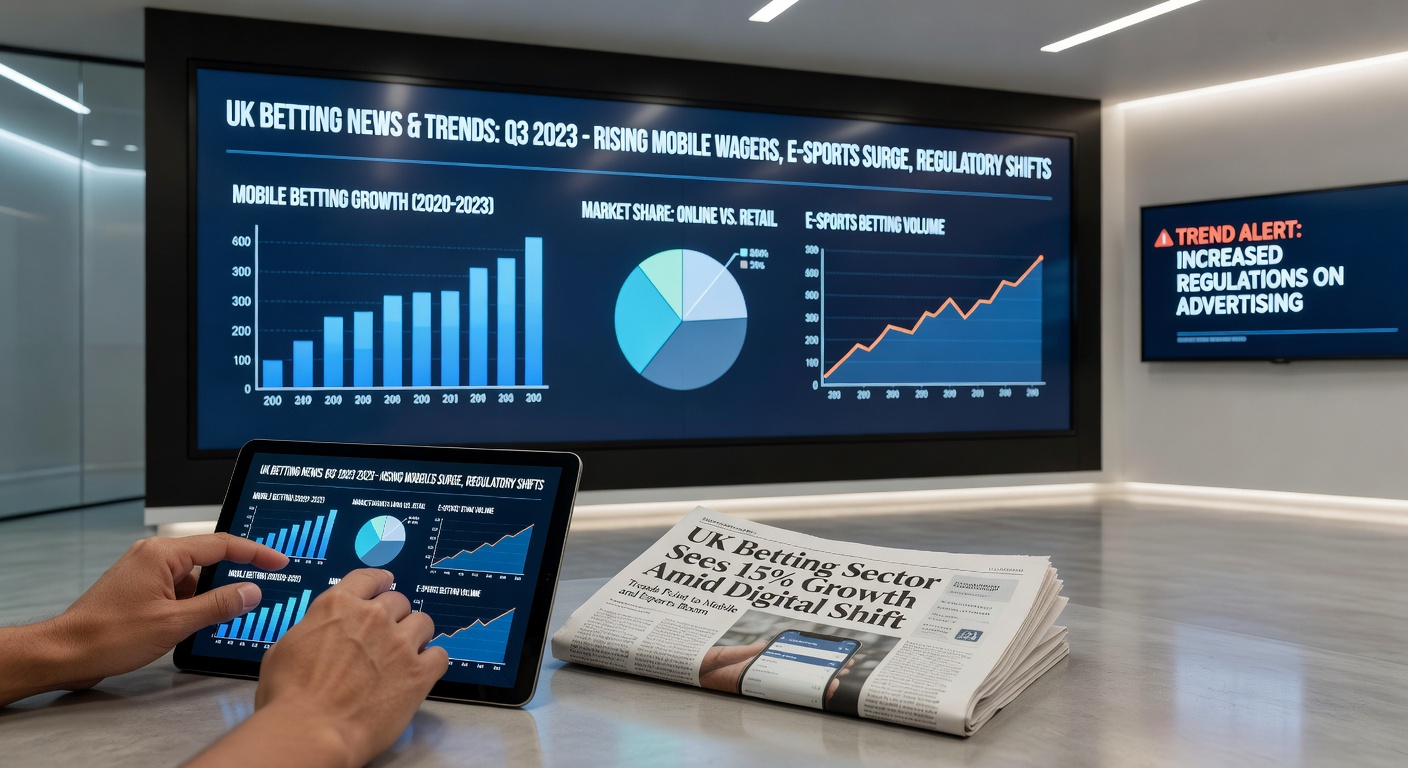
The Ban's Backstory and Its Timely Rollout
Premier League clubs find themselves in a tight spot as a self-imposed ban on gambling firms as front-of-shirt sponsors kicks in for the 2026/27 season, leaving nine teams without deals locked in by April 2026; this voluntary agreement, struck three years earlier among the league's 20 clubs, got pushed back repeatedly before landing on this timeline, a move designed to phase out betting logos from the most visible spot on kits while giving teams time to pivot.
What's interesting here is how the ban, born from mounting pressure over problem gambling links and public health concerns, reshapes a revenue stream that's long fueled the league's financial engine; typical deals once fetched £8 million to £12 million annually for mid-table outfits outside the so-called big six—think Manchester City, Arsenal, Liverpool, Manchester United, Chelsea, and Tottenham—yet now those values have tumbled to £4 million to £5 million for non-gambling alternatives, according to details reported in The Guardian.
And while the big six boast deeper pockets and global pull, drawing in tech giants or financial heavyweights without much fuss, the other 14 clubs shoulder the brunt; observers note that this shift, though anticipated, still catches some off guard, especially with the season opener looming just months away in August 2026.
Clubs in the Crosshairs: Who’s Signed and Who’s Still Hunting
Nine Premier League sides remain sponsorless on their front-of-shirt space entering the crucial spring negotiations of 2026, a figure that underscores the scramble; Brentford, for instance, pivoted to Indeed—the job search platform—accepting roughly a 50% haircut on prior gambling-backed values, while Bournemouth locked in Vitality, the health insurer, under similar terms that slash the deal's worth by half.
But here's the thing: not every adaptation spells pain; Everton and Fulham, those who've studied the market closely, now haggle over potential uplifts from non-betting suitors, turning what could be a loss into a win through shrewd talks with firms eyeing the exposure. Take one case where experts observed Fulham's leverage from strong mid-table finishes, which drew interest from diverse sectors like fintech and wellness brands hungry for football's massive audience.
The reality is, with gambling giants like Bet365 or Flutter Entertainment—once shirt staples—barred from the prime spot, clubs cast wider nets toward e-commerce players, airlines, and even crypto outfits (where regs allow); data indicates that of the 11 clubs with deals in place, most settled for the lower £4m-£5m range, a stark drop that ripples through wage bills, transfers, and stadium upkeep.
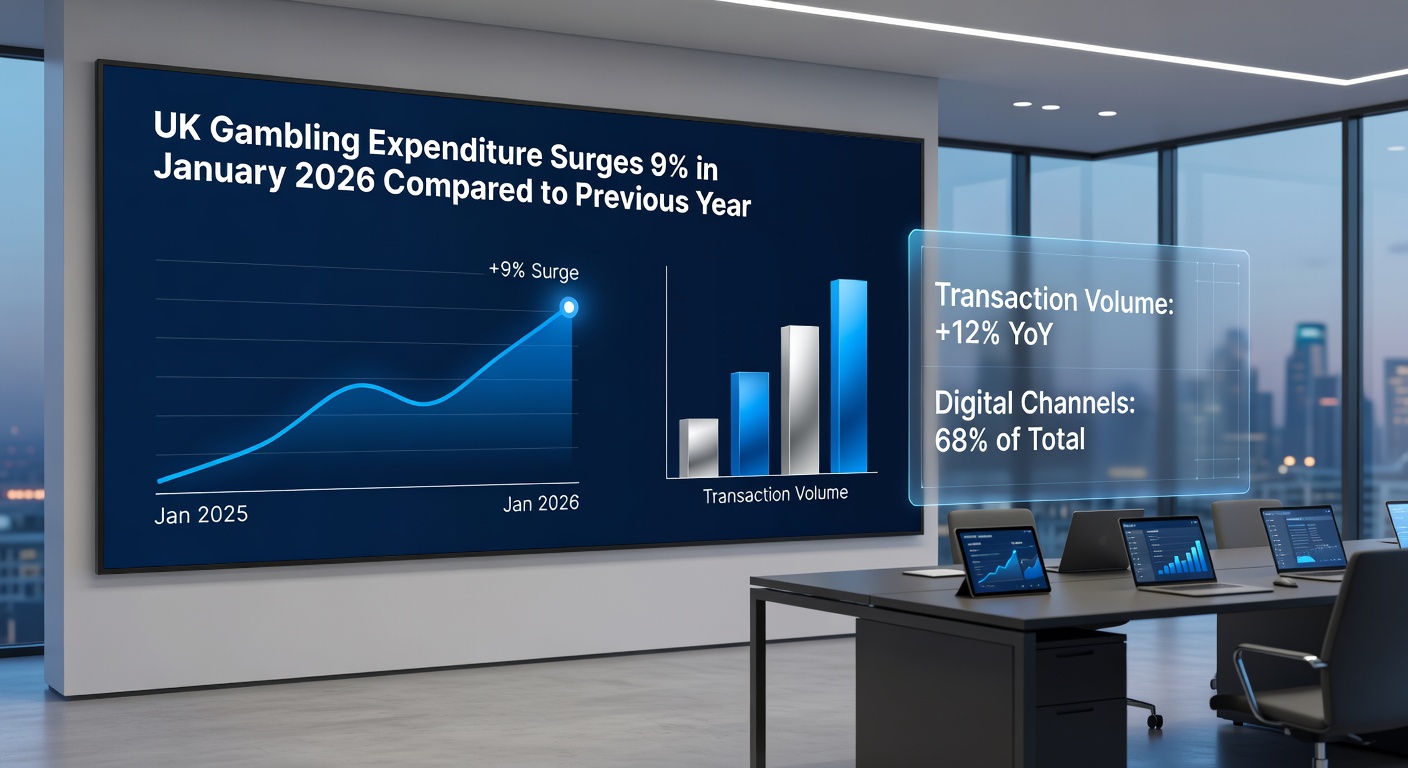
Financial Fallout: An £80 Million Collective Hit Looms Large
Collectively, those nine unsigned clubs stare down a potential £80 million revenue shortfall if they can't close non-gambling pacts soon, a sum that could balloon squad costs or stunt youth academy investments; studies from sports finance watchers, including reports from the Deloitte Football Money League (which tracks European club revenues), highlight how sponsorships make up 10-15% of mid-tier Premier League income, making this ban's bite all the more acute.
Turns out, the drop isn't uniform; smaller venues like those hosting Brentford or Bournemouth absorbed 50% cuts without much public grumbling, securing stability over chasing unicorns, whereas outfits like Leicester or Wolves—hypothetically among the holdouts—push for premiums that match their on-pitch ambitions. And since front-of-shirt spots command top dollar for their pitchside visibility, beamed to millions worldwide, replacing that with lesser-known brands tests clubs' commercial savvy.
People who've tracked this beat know the math: multiply nine clubs at an average £8m-£10m prior benchmark by the 40-50% value dip, and £80m emerges as a realistic worst-case; yet proactive moves, like bundling sleeve or training kit rights, soften the landing for some, although purists argue it dilutes the main asset's prestige.
Adaptations and the Broader Ripple Effects
Clubs adapt in varied ways, with some like Brighton already showcasing non-gambling American Express renewals at full tilt, proving blue-chip appeal endures; others, facing April 2026 deadlines, explore sleeve patches or back-of-shirt extensions where betting logos persist (for now), buying time while the ban's full scope unfolds.
It's noteworthy that this mirrors global trends, as Italy's Serie A implemented a similar front-shirt gambling prohibition in 2023, per data from the Italian Football Federation, leading to a 20-30% value adjustment there too—yet clubs rebounded via diversified portfolios. So Premier League teams, drawing lessons from that, now court Asian markets or U.S. tech firms, where football's star power transcends borders.
Now, with transfer windows heating up and pre-season tours on the horizon, unsigned clubs feel the pressure; one researcher who analyzed past cycles found that late deals often lock in at discounts, pressuring managers to trim ambitions, although Fulham's rumored uplift from a logistics giant bucks that trend.
That said, the voluntary nature of the pact leaves room for tweaks; clubs could revisit terms if losses mount, but consensus holds firm amid government scrutiny on gambling ads, echoing EU directives that prioritize fan welfare over pure commerce.
Looking Ahead: Deals, Strategies, and League Dynamics
As May 2026 nears, those nine clubs—likely including the likes of Crystal Palace, Southampton, and West Ham based on prior gambling ties—hustle through final pitches; success stories like Everton's potential double-digit rise signal hope, blending negotiation prowess with brand refresh.
Experts have observed how this forces innovation, like digital-first sponsors integrating AR experiences during broadcasts, or wellness tie-ins aligning with player fitness pushes; it's not rocket science, but the writing's on the wall—gambling's front-shirt era ends, ushering non-betting eras that could stabilize if values hold.
Yet challenges persist for promoted sides or strugglers, where £4m feels like a lifeline rather than a downgrade; data from league filings reveals sponsorships funded 25% of operational costs for bottom-half teams last season, so shortfalls there hit hardest.
Overall, the league's commercial might—pegged at £6.5 billion annually—absorbs this shock, but smaller players adapt or risk the drop; observers predict most ink deals by June, averting the full £80m cliff, although the new normal reshapes kit launches and fan merch sales too.
Conclusion
The gambling sponsor ban, rolling out in earnest for 2026/27, spotlights Premier League clubs' resilience amid revenue squeezes; with nine still deal-less and £80 million at stake, adaptations from Brentford's pragmatic cuts to Everton's bold uplifts paint a picture of flux, yet forward momentum prevails as non-betting partners fill the void at adjusted rates.
In the end, this pivot—voluntary yet binding—ushers a cleaner image for the world's richest league, balancing commercial hits with broader societal nods; clubs that nail diverse deals thrive, while laggards learn fast, ensuring the shirts stay sponsored come kickoff.