12 Jun 2026
Payment Gateways and Wagering Algorithms Forge Hybrid Paths Across Athletic Events, Racing Data, and Mobile Table Game Rewards
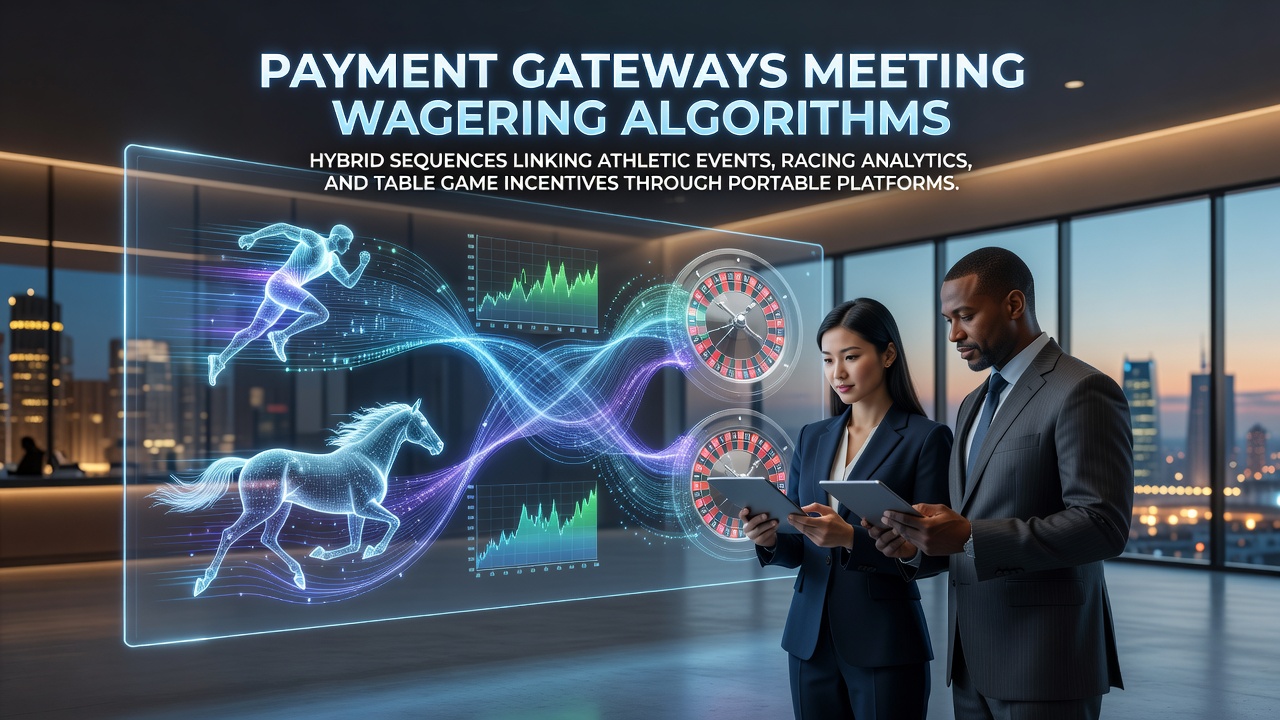 Payment gateways now connect directly with wagering algorithms to support chained sequences that move from athletic events into racing analytics and then onward to table game incentives, all processed through portable platforms. These integrations handle real-time deposits, odds adjustments, and promotional triggers without requiring separate logins or funding steps between markets. Developers build application programming interfaces that let algorithms detect when a user completes a soccer in-play wager, then automatically surface racing form data with matched deposit bonuses. The same pathway continues into table game sections where algorithms calculate incentive values based on prior activity across the other categories. Portable platforms maintain session continuity so the transition between markets occurs in seconds rather than minutes. Data from the Australian Gambling Research Centre shows that integrated payment systems reduce average transaction time by 38 percent when users move between event types. Algorithms use this speed to adjust incentive structures dynamically, offering table game credits scaled to the size and outcome of earlier athletic or racing positions.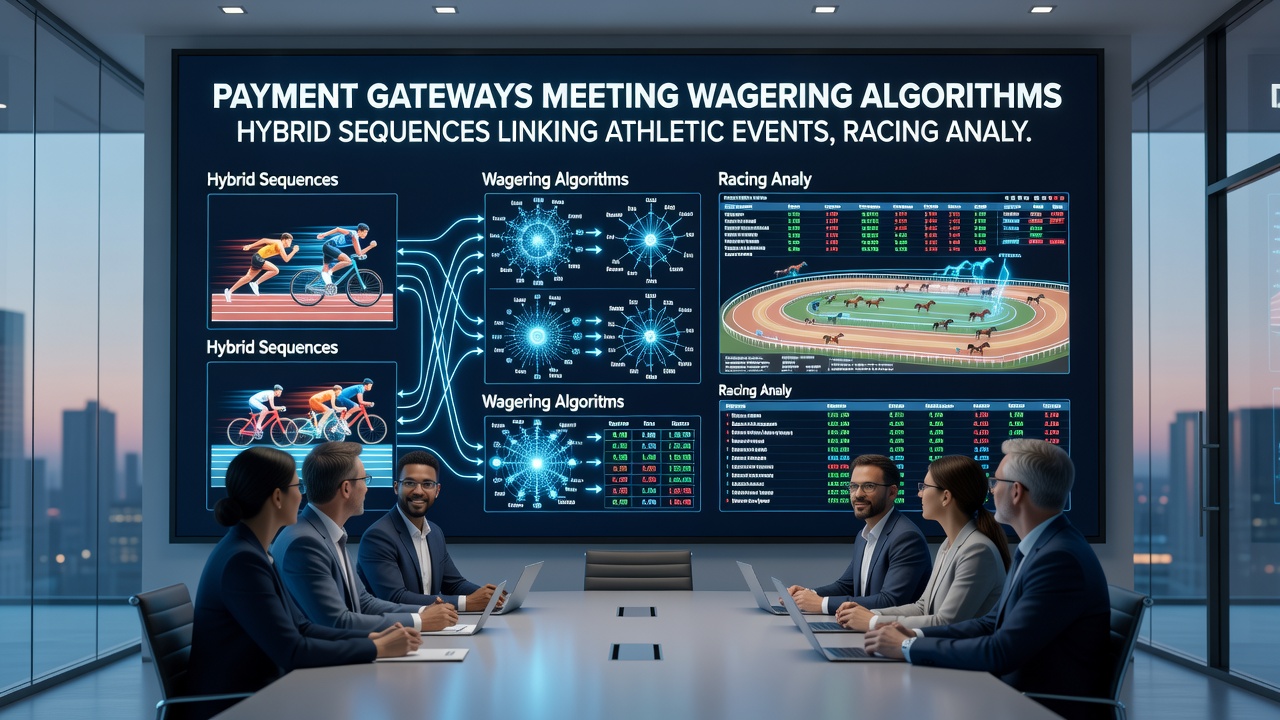
Payment gateways now connect directly with wagering algorithms to support chained sequences that move from athletic events into racing analytics and then onward to table game incentives, all processed through portable platforms. These integrations handle real-time deposits, odds adjustments, and promotional triggers without requiring separate logins or funding steps between markets. Developers build application programming interfaces that let algorithms detect when a user completes a soccer in-play wager, then automatically surface racing form data with matched deposit bonuses. The same pathway continues into table game sections where algorithms calculate incentive values based on prior activity across the other categories. Portable platforms maintain session continuity so the transition between markets occurs in seconds rather than minutes. Data from the Australian Gambling Research Centre shows that integrated payment systems reduce average transaction time by 38 percent when users move between event types. Algorithms use this speed to adjust incentive structures dynamically, offering table game credits scaled to the size and outcome of earlier athletic or racing positions.Technical Links Between Gateways and Algorithms
Payment processors embed risk-scoring modules that wagering algorithms read in real time. When a deposit arrives from a verified mobile wallet, the gateway passes velocity and location signals to the algorithm layer, which then decides whether to unlock hybrid sequence options. This handshake prevents delays that previously broke user flow between soccer markets and racing analytics. Racing data feeds incorporate pace figures and sectional times that algorithms cross-reference with live athletic event odds. A user who places a football stake can receive an instant racing overlay showing correlated probabilities, with the payment gateway standing ready to process the follow-up wager using the same funded balance. Table game incentives activate once both prior legs settle, creating a three-stage sequence managed through a single portable interface.Portable Platform Capabilities in June 2026
By June 2026 several major operators completed upgrades that allow instant cross-market settlement on mobile devices. These updates align payment gateway responses with algorithmic triggers so that a completed racing leg immediately generates a table game bonus code without additional authentication. Users see the incentive appear inside the active session rather than through separate notifications or email links. Portable platforms also incorporate geolocation checks that satisfy multiple regulatory frameworks simultaneously. The system confirms the user's position, confirms available markets, and routes the payment through the appropriate gateway while the algorithm recalculates remaining sequence value. This layered verification runs in the background and maintains compliance across different jurisdictions without interrupting the hybrid flow.