19 Jul 2026
Coordinating Entry Workflows and Funding Options to Strengthen Positions in Live Football and Equine Racing Markets
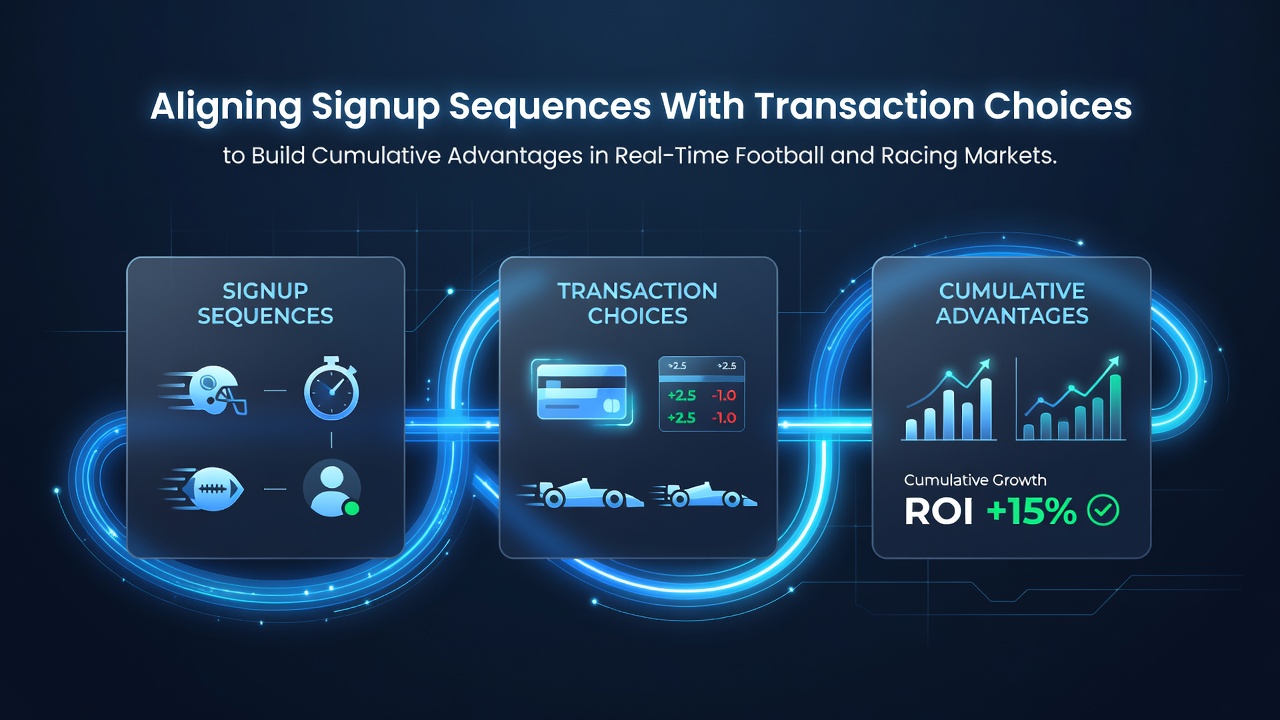
Platforms that integrate registration steps with specific payment selections enable users to access real-time football and racing markets with fewer interruptions, and data from industry reports indicate these alignments support faster execution during live events. Observers note that sequential prompts during onboarding guide choices toward instant transfer methods, which in turn unlock features such as in-play odds updates and cumulative bonus structures without additional verification delays.
Registration Sequences and Their Impact on Market Access
Entry workflows typically begin with basic identity verification followed by payment method selection, and when these stages align users encounter fewer friction points before placing wagers on live football matches or horse races. Research from academic institutions shows that structured sequences reduce average onboarding time by directing participants toward verified transaction options early, allowing quicker entry into dynamic pricing environments where odds shift rapidly.
Those who study mobile betting patterns find that prompts encouraging e-wallet or instant bank transfers during signup correlate with higher rates of participation in real-time markets, whereas delayed funding paths often lead to missed opportunities in fast-moving football lines or racing pace adjustments. Figures from gaming associations across multiple regions reveal that platforms employing these coordinated approaches report increased session continuity once users complete initial deposits.
Transaction Choices and Cumulative Position Building
Payment method selection during registration influences not only speed but also eligibility for layered promotional structures that accumulate across football and racing sessions. Data indicates that users opting for instant funding routes at signup stage gain access to progressive reward tiers sooner, which then compound advantages when shifting between live soccer markets and equine events.
Industry analyses highlight how certain transaction alignments trigger automatic eligibility for cashback mechanisms or matched deposits that apply across multiple wagers, and these elements become particularly relevant as operators prepare system updates ahead of July 2026 regulatory timelines affecting transaction verification standards. Experts observe that such alignments create pathways where early funding decisions support sustained activity without repeated interruptions for additional approvals.
Real-Time Market Dynamics in Football and Racing
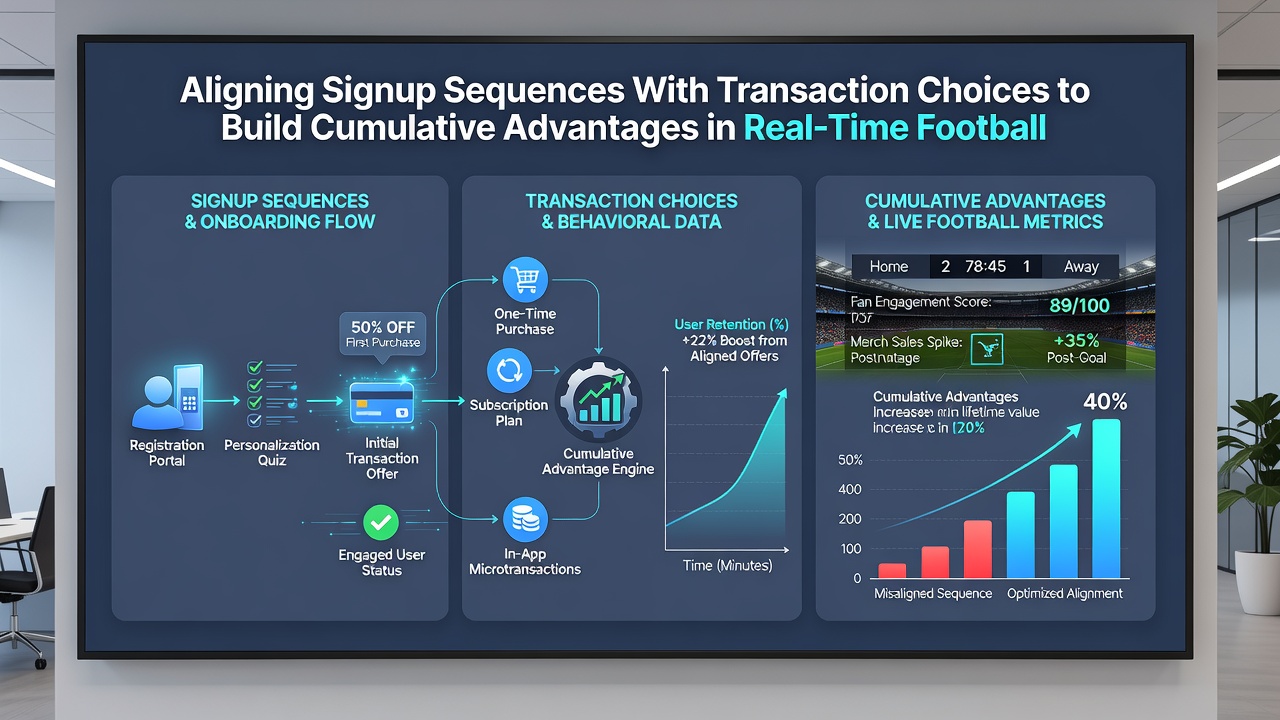
Live football markets require immediate responses to in-game developments while racing events demand quick reactions to pace changes and form updates, and platforms that align signup with transaction flows position users to engage these environments more effectively. Studies from research organizations in North America and Europe demonstrate that reduced onboarding friction leads to higher engagement rates during peak live periods when odds fluctuate most significantly.
Observers document cases where coordinated registration and deposit sequences allow participants to chain wagers across markets without exiting active sessions, and this continuity supports the accumulation of position advantages through repeated exposure to real-time pricing. What's notable is that payment options selected early influence which promotional overlays activate during live play, extending potential edges from football lines into subsequent racing doubles or similar combinations.
Regulatory Context and Platform Adaptations
Upcoming changes scheduled for July 2026 prompt operators to refine transaction verification within onboarding sequences, and these adjustments intersect directly with efforts to maintain seamless access to real-time markets. Reports from international gaming bodies show that platforms adapting their workflows in advance maintain higher user retention across football and racing verticals when compliance requirements tighten.
Analyses from university-led projects indicate that clear alignment between registration steps and approved funding methods helps users navigate evolving standards while preserving access to live betting features, and geographic variations in regulatory approaches across regions further encourage operators to standardize these sequences globally.
Conclusion
Evidence from multiple sources demonstrates that aligning signup sequences with transaction choices creates measurable pathways for users to build positions in real-time football and racing markets through faster access and layered reward eligibility. Platforms that implement these coordinated flows report sustained activity levels, particularly as preparations for July 2026 regulatory shifts continue across the sector.