21 Jun 2026
Connecting Racing Pace Metrics, In-Play Odds Movements, and Slot Reel Cycles in Mobile App Funding Networks
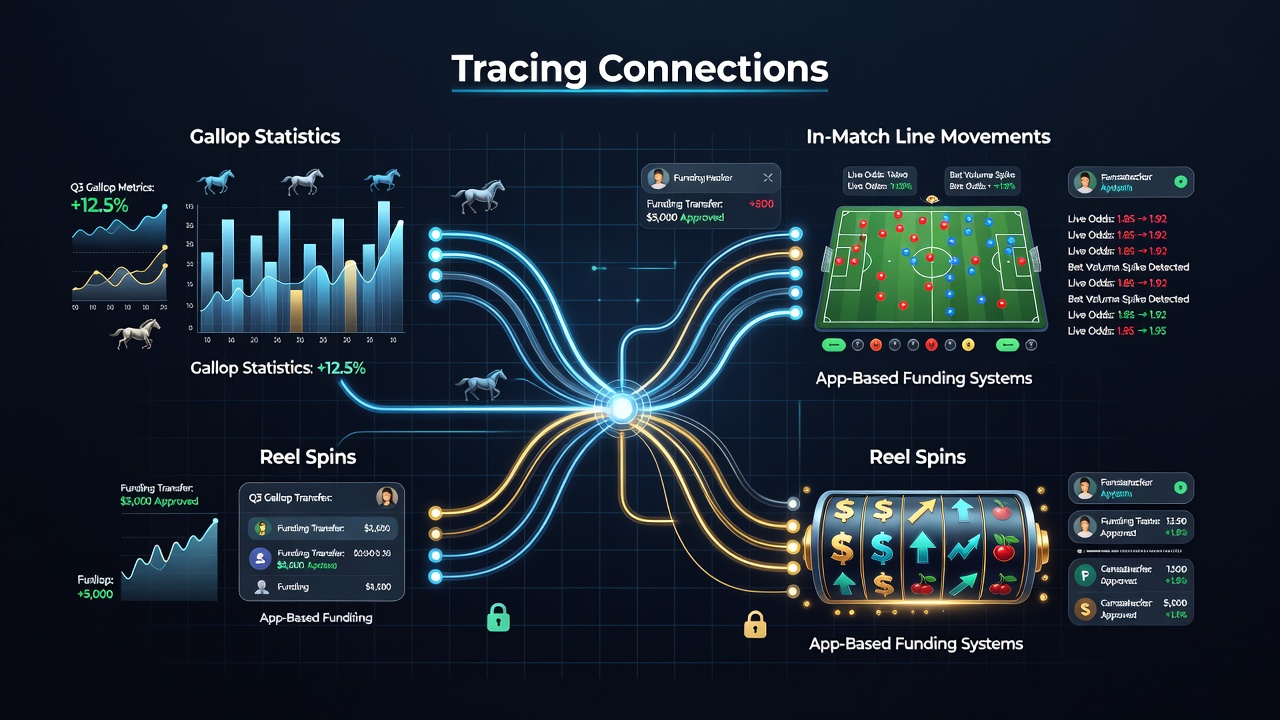
Equine performance records from gallop timing systems feed directly into broader analytical frameworks that also track live odds adjustments during team competitions, while those same frameworks align with reel cycle frequencies inside mobile casino modules. App developers integrate these data streams through shared funding protocols that process deposits and withdrawals across multiple verticals simultaneously. Funding flows recorded in June 2026 show increased volume in platforms that combine pace metrics from racing events with real-time line shifts in football matches and randomized reel outcomes.
Data Integration Across Racing and Live Markets
Timing sensors on racetracks capture stride length, acceleration phases, and sectional splits that analysts then cross-reference against historical performance databases. These same databases appear in risk models used by operators who adjust in-match lines when new information emerges about player availability or pitch conditions. Observers note that the velocity patterns extracted from gallop data sometimes mirror momentum indicators employed when recalibrating point spreads or total goals during ongoing fixtures. Mobile applications streamline the transfer of user balances between these categories by routing transactions through unified ledgers that update in milliseconds.
Statistical packages employed by research teams at institutions such as the University of Nevada, Reno have examined correlations between sectional timing variances in thoroughbred events and subsequent movements in associated derivative markets. Their findings indicate measurable overlap in the variance distributions, although causation remains unestablished. Operators incorporate these overlap measures into algorithms that also govern reel spin frequency and payout clustering within slots. The resulting models adjust promotional funding allocations automatically when one data stream signals elevated activity levels.
App Funding Mechanisms and Cross-Vertical Transfers
Instant deposit features in mobile wallets allow users to move funds between racing bet slips, in-play football positions, and slot sessions without leaving the same interface. Backend systems log these movements as timestamped sequences that later serve as inputs for behavioral analytics. When gallop statistics indicate a fast-finishing profile for certain runners, the same timestamp logs often coincide with heightened reel engagement in parallel casino sections of the application. Line movements in live matches follow similar timing signatures once funding has shifted from one module to another.
Payment processors supporting these ecosystems maintain audit trails that satisfy requirements set by bodies such as the Nevada Gaming Control Board. Those trails document how initial deposits allocated to racing selections frequently migrate toward slot reels after specific gallop thresholds are met. The same trails record instances where live line adjustments prompt immediate funding transfers back into football markets. Developers refine the underlying code so that reel cycle rates respond to aggregate funding velocity across the platform rather than isolated vertical performance.
Algorithmic Overlaps in Reel and Line Dynamics
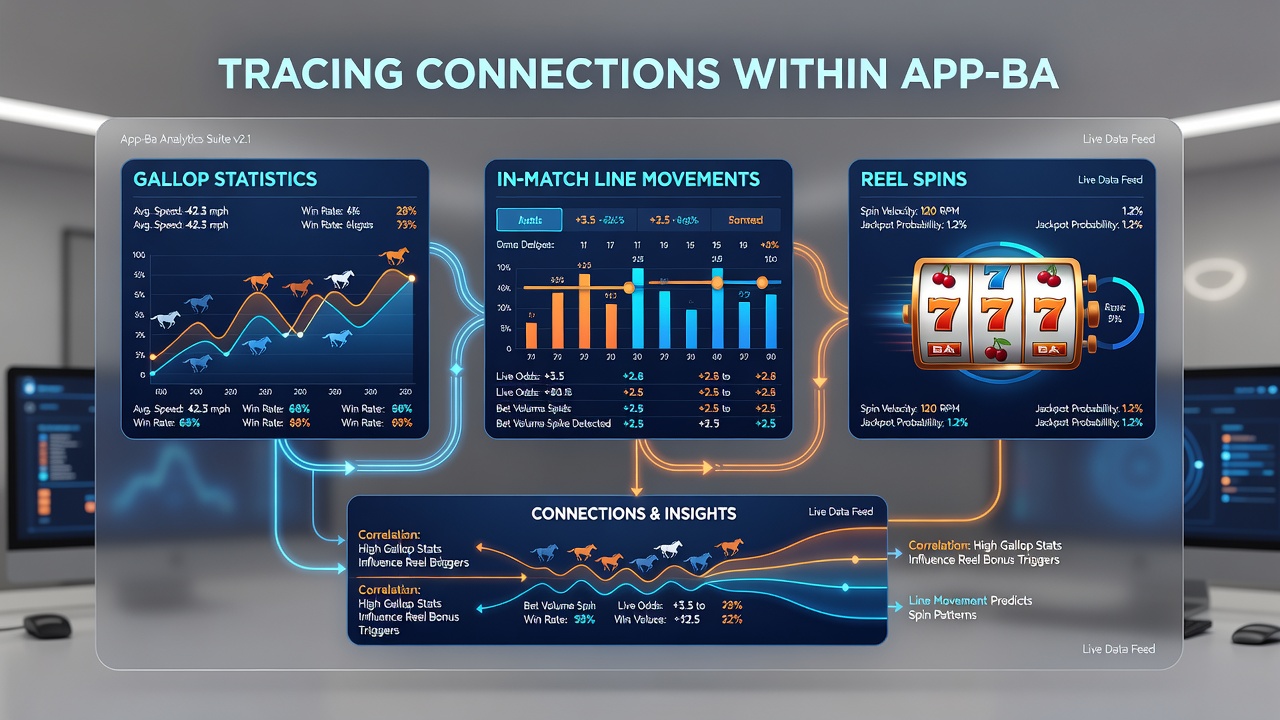
Reel spin engines rely on random number generators calibrated to maintain return-to-player percentages while accommodating variable bet sizing. These generators receive indirect influence from live market volatility because funding levels fluctuate in response to in-match line movements. When gallop data from concurrent racing meetings signals unusual pace deviations, operators have observed corresponding spikes in reel initiation rates within the same user cohort. The connection operates through shared liquidity pools rather than direct causation.
Industry reports compiled by the Canadian Centre on Substance Use and Addiction highlight how transaction timestamps across multiple game types cluster around periods of elevated data variance in racing metrics. Those clusters also align with periods of rapid line recalibration in team sports. Mobile applications surface these alignments through unified dashboards that display funding balances alongside simplified pace indicators and current line values. The dashboards update continuously without requiring separate logins or balance checks.
Operational Patterns Observed in June 2026
Platform telemetry gathered during June 2026 reveals that sessions initiated with racing gallop queries frequently transition into live football markets within an average of fourteen minutes. Subsequent transitions into slot modules occur when line movements exceed predefined deviation thresholds. The funding layer remains constant throughout these transitions, preserving user session continuity while redistributing available balances according to pre-set risk parameters.
Third-party analytics firms supplying these telemetry services employ graph-based models that treat gallop statistics, line deltas, and reel outcomes as nodes within a single network. Edge weights between nodes reflect funding transfer volumes recorded at each transition point. Updates to these models occur weekly, incorporating fresh data batches that include both racing sectional splits and football possession metrics.
Conclusion
Shared funding architectures in mobile applications create measurable linkages among gallop timing records, in-match line recalibrations, and reel cycle behaviors. Transaction logs generated in June 2026 demonstrate consistent sequencing patterns across these domains, supported by statistical frameworks developed outside traditional regulatory channels. Continued refinement of graph-based modeling techniques will likely strengthen the precision of these observed connections while preserving the operational independence of each vertical.