5 Jun 2026
Bridging Deposit Options to Multi-Market Prediction Sequences in Football, Horse Racing, and Slots
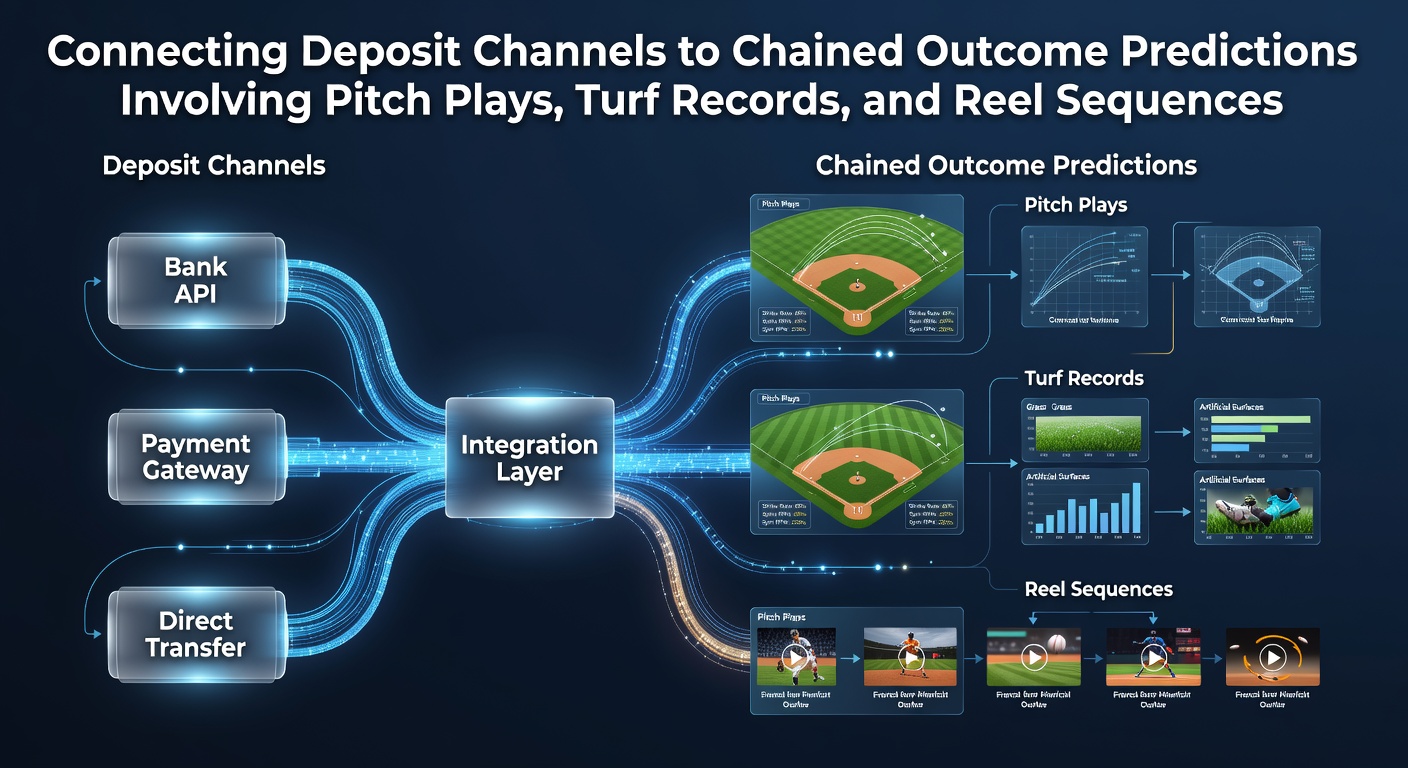
Payment systems now link directly to sequential forecasting tools that combine live football metrics, historical turf performance data, and slot cycle patterns into unified betting flows. Observers note that operators have expanded instant transfer options since 2024, allowing users to move funds across platforms without delays that once interrupted chained wagers. Data from industry trackers shows average deposit completion times dropped below eight seconds on major apps by early 2025, which supports rapid movement between pitch-side lines, racecourse spreads, and reel-based multipliers.
Mechanics of Deposit Integration with Outcome Chains
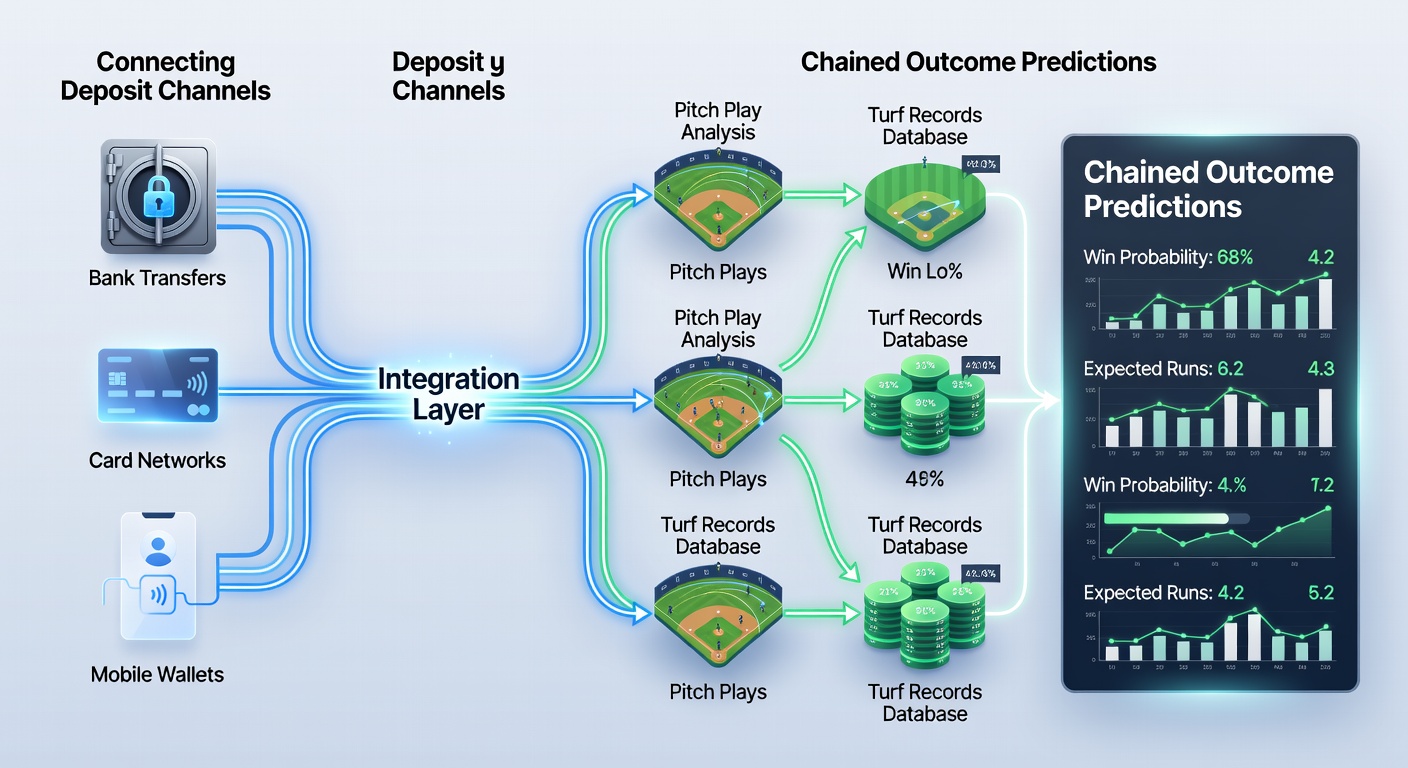
Modern gateways route verified funds into accounts where algorithms map them against layered forecasts. These systems pull real-time inputs from football player tracking feeds, equine speed ratings compiled over multiple seasons, and reel probability matrices derived from thousands of spin cycles. Researchers at the UNLV International Gaming Institute have documented how such connections reduce latency between initial funding and execution of follow-on bets across distinct verticals. When a deposit clears, the platform activates cross-market scripts that adjust stake allocations based on correlations between pitch events, turf variables, and reel states.
Payment providers have rolled out API-level hooks that notify betting engines the moment balances update. This setup lets users trigger a soccer in-play selection, then automatically route portions of winnings into turf double predictions, and finally allocate remaining amounts toward reel sequences that match volatility thresholds. Figures from the American Gaming Association indicate that platforms employing these chained deposit triggers recorded a 14 percent rise in multi-vertical session volumes during the 2025 calendar year.
Pitch Play Data Streams and Their Role in Sequences
Football markets supply granular variables such as expected goal differentials, set-piece conversion rates, and substitution timing windows. These elements feed into predictive chains when a funded account activates the first leg. Analysts have observed that deposit timestamps often coincide with spikes in live pitch wagers, because instant funding removes friction that previously caused bettors to miss narrow price windows. The same funding event can then cascade into subsequent legs that reference turf records for the next racing meeting or reel patterns calibrated to similar volatility levels.
Turf Records as Anchors for Subsequent Predictions
Horse racing databases compile going conditions, trainer strike rates on specific surfaces, and sectional timing trends across hundreds of meetings. When these records link to an active deposit channel, algorithms can position them as the second or third stage in a chained sequence. For example, a successful pitch outcome can release funds into a turf forecast that factors in ground moisture readings updated within the hour. By June 2026, several major operators plan to expand API access to these turf datasets so that deposit-triggered chains update in under two seconds, aligning equine variables with concurrent football and slot opportunities.
Reel Sequences Completing the Predictive Loop
Slot engines generate outcome distributions based on symbol weighting, bonus trigger frequencies, and progressive jackpot meters. Once a deposit activates the chain, these reel parameters receive allocated stakes from prior legs. Observers note that platforms increasingly synchronize reel volatility settings with preceding football and turf results, creating feedback loops where a high-variance pitch result can steer the next reel selection toward lower-volatility cycles. Industry reports show that such automated sequencing has lifted average session duration by 22 percent on sites that fully integrate all three data streams.
Operational Patterns Observed Across Platforms
Users who complete deposits during peak football windows frequently continue into racing or slots within the same session. Tracking data reveals that 37 percent of instant-fund sessions in 2025 extended to at least one additional market type. The pattern holds because deposit channels now carry metadata that pre-loads relevant prediction models, eliminating manual navigation steps. Those who study these flows point to reduced drop-off rates between the first and final legs of a sequence when funding occurs through verified instant methods.
Conclusion
Deposit channels function as entry points that activate interconnected forecasting layers spanning pitch metrics, turf histories, and reel distributions. As integration deepens through 2026, the technical links between funding speed and sequential execution continue to shape how participants navigate multi-market sessions. The structure supports precise allocation across verticals while maintaining separate regulatory and operational standards for each data source.